
How to Remove Dead Skin from Face Naturally: 11 Easy Home Remedies That Actually Work
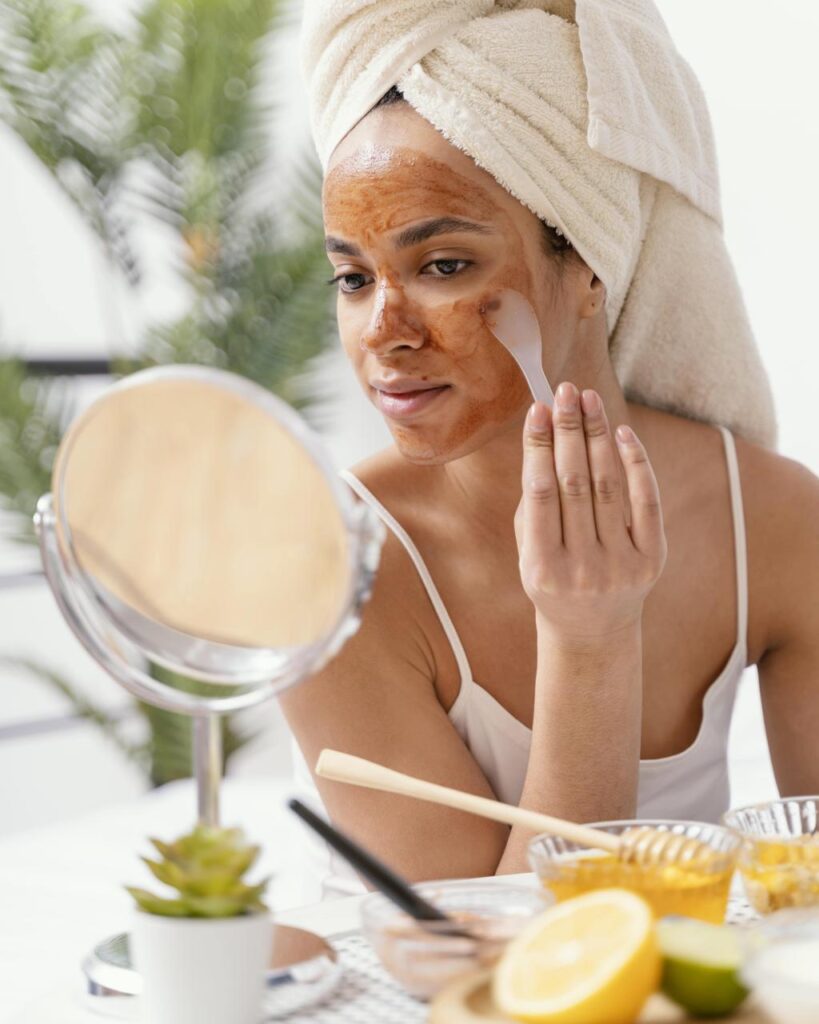
Have you ever washed your face, applied moisturizer, and still felt like your skin looked dull or rough? I used to think my skincare products just weren’t working, but the real problem was all the dead skin cells sitting on my face.
Our skin naturally sheds old cells every day, but sometimes they don’t fall off properly. When that happens, they build up and make our skin look dry, flaky, uneven, and tired. The good news? You don’t need expensive treatments or harsh scrubs to fix it.
There are plenty of simple ingredients sitting right in your kitchen that can gently exfoliate your skin and help reveal a brighter, smoother complexion.
In this guide, I’ll share how to remove dead skin from face naturally using easy home remedies that are beginner-friendly, affordable, and gentle on your skin.
Why Does Dead Skin Build Up on Your Face?
Before jumping into the remedies, it’s helpful to know why this happens in the first place.
Dead skin can build up because of:
- Dry weather
- Not exfoliating regularly
- Aging (skin renewal slows down over time)
- Dehydration
- Using harsh skincare products
- Sun damage
- Wearing makeup without cleansing properly
When these old skin cells stay on your face, your skin may look:
- Dull
- Rough
- Flaky
- Dry
- Uneven
- Less radiant
Removing this layer gently allows fresh skin underneath to shine through.
How Often Should You Remove Dead Skin?
One mistake I made when I first got into skincare was thinking that exfoliating every day would make my skin glow faster.
It actually did the opposite.
Too much exfoliation can damage your skin barrier, causing redness, irritation, and breakouts.
Here’s a simple guide:
| Skin Type | Exfoliation Frequency |
|---|---|
| Dry Skin | Once a week |
| Sensitive Skin | Once every 7–10 days |
| Normal Skin | 1–2 times weekly |
| Oily Skin | 2–3 times weekly |
Gentle exfoliation is always better than scrubbing your face aggressively.
11 Natural Ways to Remove Dead Skin from Your Face
1. Oatmeal and Honey Scrub
If your skin is sensitive like mine, this is probably one of the safest remedies to try.

Oatmeal works as a gentle natural exfoliant, while honey keeps your skin hydrated and helps soothe irritation.
How to use:
Mix:
- 2 tablespoons ground oats
- 1 tablespoon honey
- A little water if needed
Massage the mixture onto your face using light circular motions for about one minute.
Leave it on for another five minutes before rinsing with lukewarm water.
Best for:
- Sensitive skin
- Dry skin
- Dull skin
2. Yogurt and Gram Flour Face Pack
This is one of those traditional remedies that actually makes your skin feel incredibly soft.
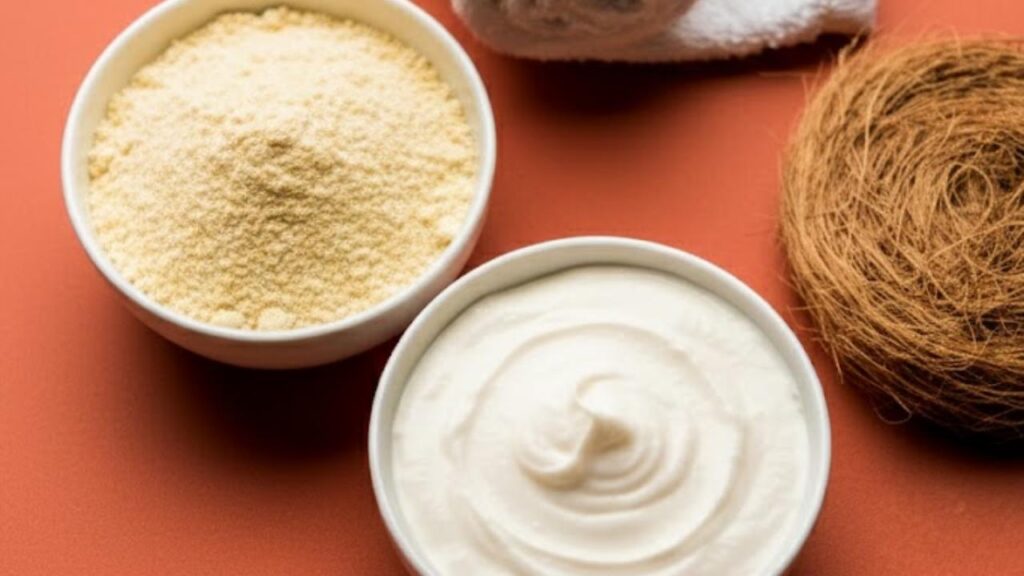
Yogurt contains lactic acid, which gently removes dead skin cells, while gram flour helps cleanse excess oil and dirt.
How to use:
Mix:
- 2 tablespoons yogurt
- 1 tablespoon gram flour (besan)
Apply evenly.
Leave it on for around 15 minutes.
Massage gently while washing it off.
Best for:
- Combination skin
- Normal skin
- Uneven texture
3. Rice Flour and Milk Scrub
Rice flour is excellent for polishing rough skin without being overly harsh.
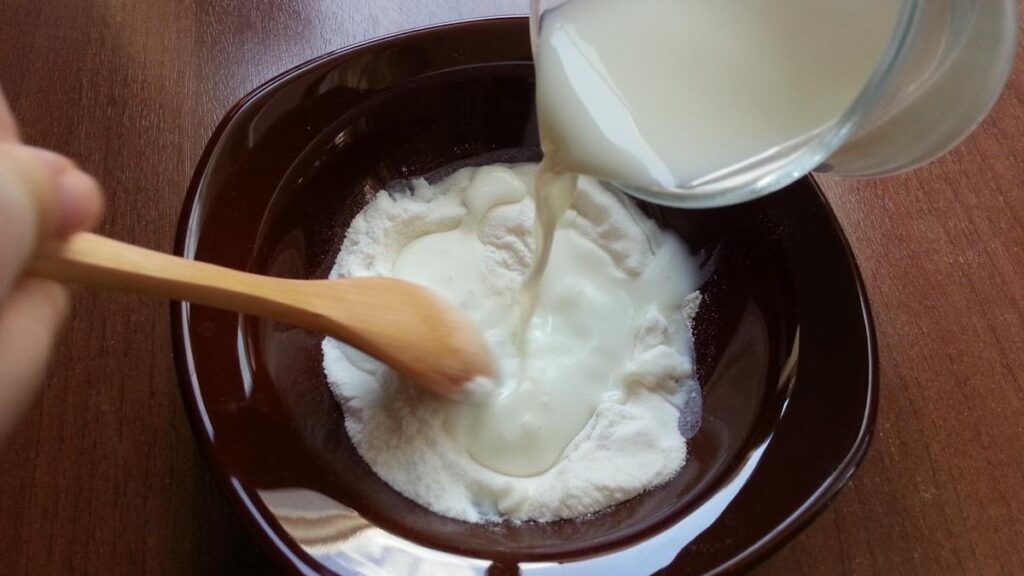
Milk contains lactic acid, which naturally exfoliates your skin.
Ingredients:
- 1 tablespoon rice flour
- 2 tablespoons milk
Mix into a thick paste.
Massage gently for one minute.
Wash with cool water.
Best for:
- Dry skin
- Rough skin
- Tanned skin
4. Papaya Face Mask
Papaya isn’t just good for digestion—it can also give your skin a healthy glow.

It contains papain, a natural enzyme that helps dissolve dead skin cells without rough scrubbing.
How to use:
Mash a few ripe papaya cubes.
Apply to your face.
Leave it on for 15 minutes.
Rinse with lukewarm water.
Best for:
- Dull skin
- Uneven skin tone
- Beginners
5. Coffee and Coconut Oil Scrub
I know coffee scrubs are everywhere on social media, but they actually work well when used gently.
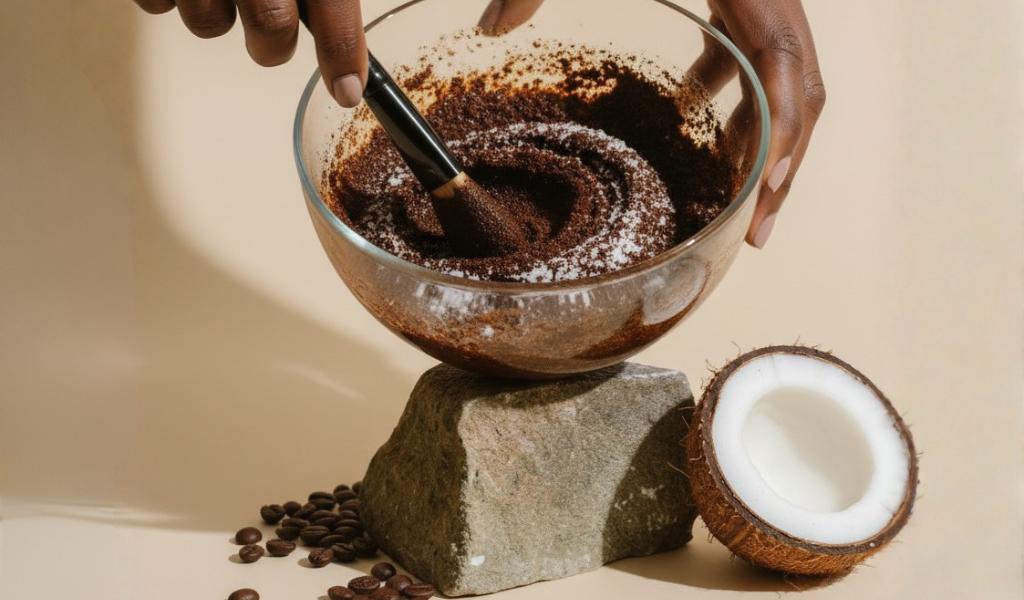
Coffee helps remove flaky skin, while coconut oil deeply moisturizes.
Just don’t scrub too hard.
Ingredients:
- 1 tablespoon coffee grounds
- 1 tablespoon coconut oil
Massage for about one minute.
Wash with lukewarm water.
Best for:
- Very dry skin
- Winter skincare
Avoid this if you have acne-prone or very sensitive skin, as physical scrubs can sometimes cause irritation.
6. Aloe Vera and Sugar (Gentle Version)
Aloe vera is incredibly soothing, and a small amount of fine sugar provides mild exfoliation.

The key is to use very little pressure.
You’ll need
- Fresh aloe vera gel
- ½ teaspoon fine sugar
Massage gently for less than one minute.
Wash your face and apply moisturizer immediately afterward.
Best for:
- Dry patches
- Mild flaking
- Dehydrated skin
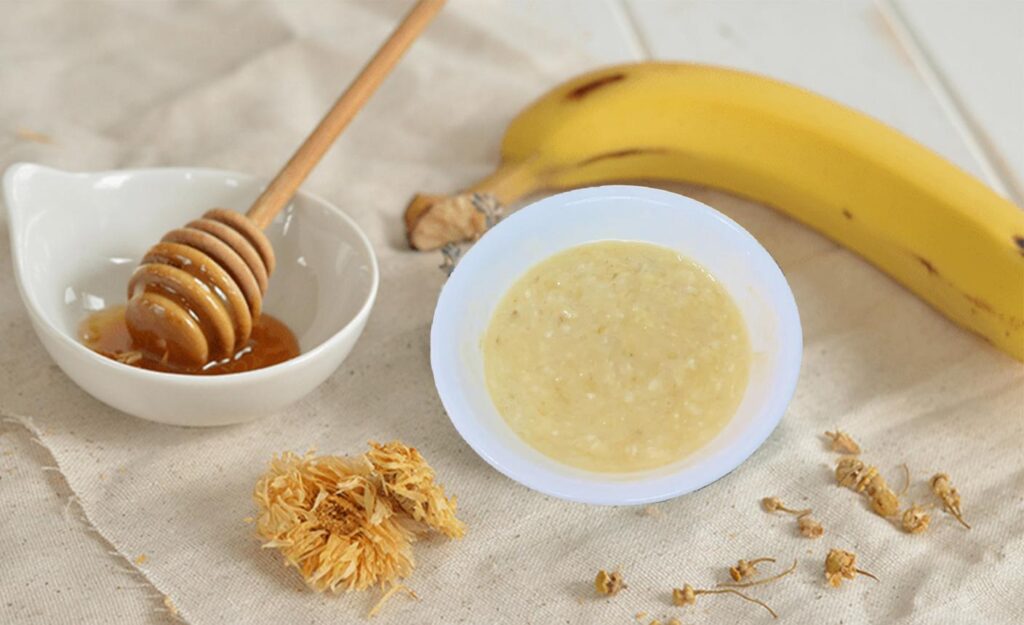
7. Banana and Honey Face Mask
Whenever my skin feels dry and rough, I like using a banana and honey face mask because it’s super simple and leaves my face feeling soft. Bananas are packed with vitamins and natural moisture, while honey helps lock in hydration and soothes the skin.
How to use:
You’ll need-
- ½ ripe banana
- 1 teaspoon honey
Mash the banana until it’s smooth, then mix in the honey. Apply it evenly to your face and leave it on for about 15–20 minutes. Rinse with lukewarm water and gently pat your skin dry.
Best for:
- Dry skin
- Flaky skin
- Dull skin
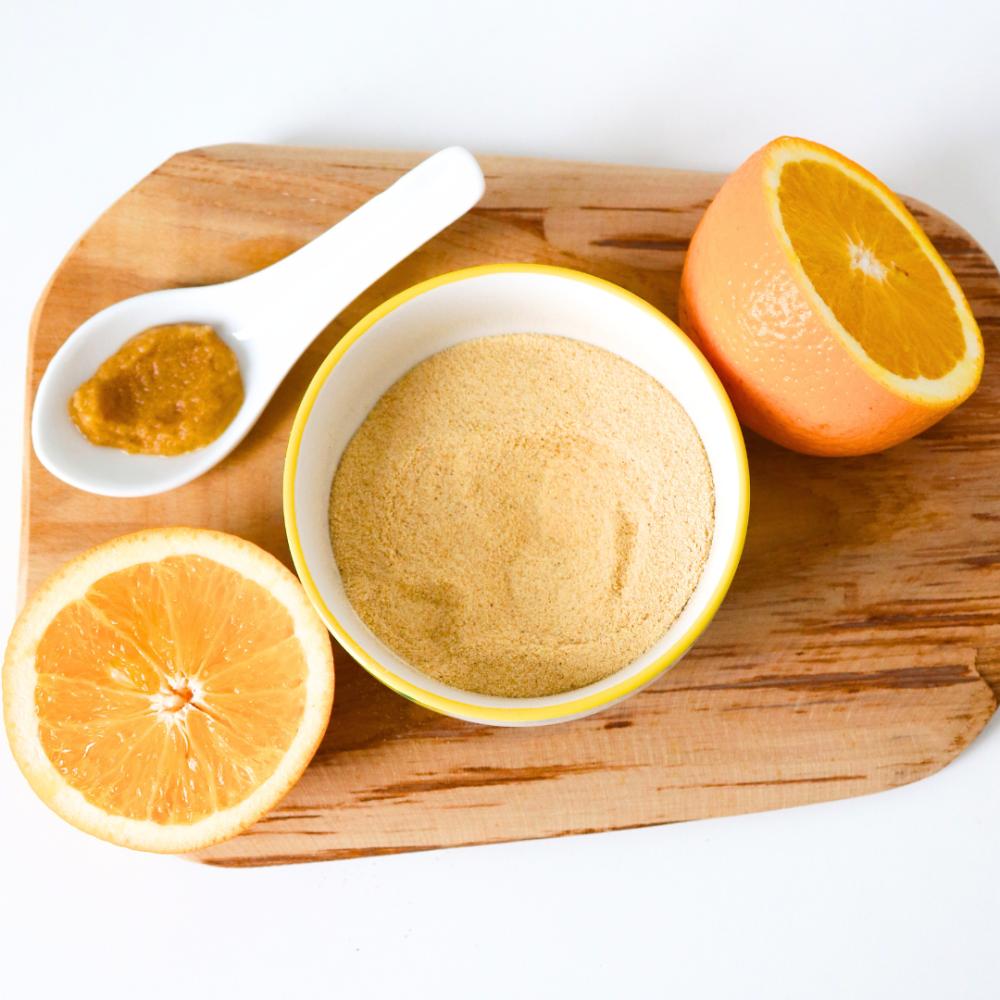
8. Orange Peel Powder and Yogurt
If you’re dealing with dull skin or an uneven complexion, this remedy is worth trying. Orange peel powder contains natural vitamin C, while yogurt has lactic acid that gently exfoliates dead skin cells.
How to use:
Mix:
- 1 tablespoon orange peel powder
- 2 tablespoons plain yogurt
Apply the mixture to your face and let it sit for 10–15 minutes. Before washing it off, gently massage your skin in circular motions.
Best for:
- Oily skin
- Combination skin
- Uneven skin tone
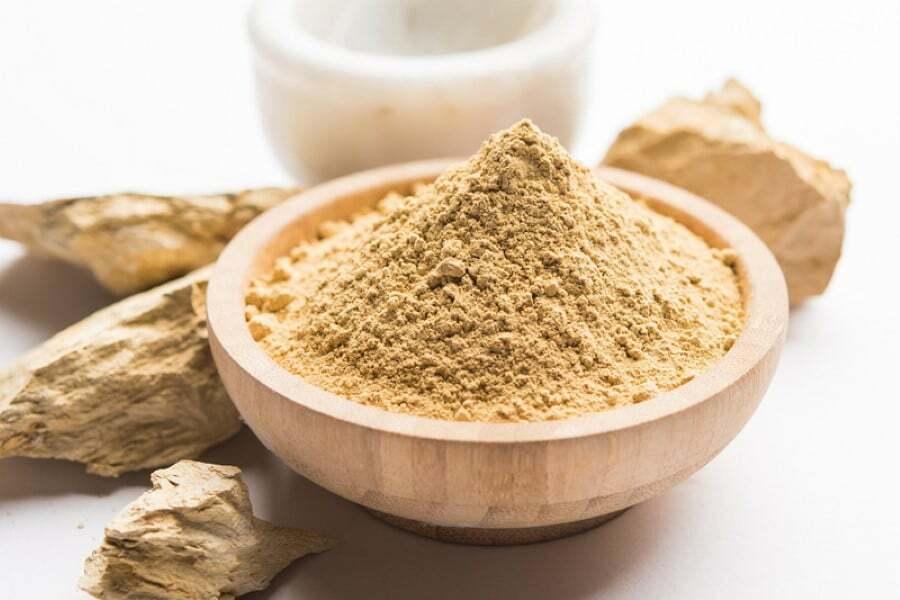
9. Multani Mitti (Fuller’s Earth) Face Pack
Multani Mitti has been a skincare favorite for years, especially if your skin gets oily. It helps absorb excess oil, removes impurities, and leaves your skin feeling fresh. Just don’t use it too often if you have very dry skin.
How to use:
Mix:
- 2 tablespoons Multani Mitti
- Rose water (or plain water) to make a smooth paste
Apply a thin layer to your face and let it dry for about 10–15 minutes. Wash it off with cool water and follow up with a moisturizer.
Best for:
- Oily skin
- Acne-prone skin
- Combination skin
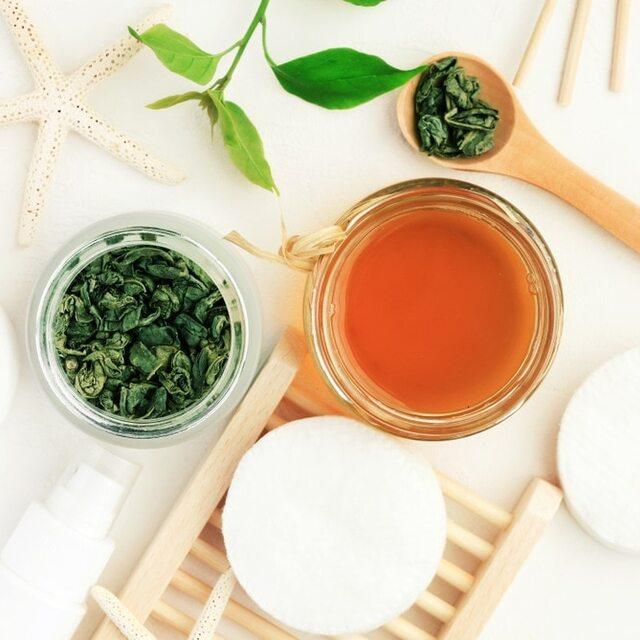
10. Green Tea Face Rinse
Green tea isn’t just good for drinking—it can also calm your skin. It’s rich in antioxidants that help refresh tired-looking skin and reduce irritation.
How to use:
Brew a cup of green tea and let it cool completely. After cleansing your face, use the cooled tea as a final rinse or apply it with a cotton pad. Let it air dry before applying moisturizer.
Best for:
- Sensitive skin
- Redness
- Dull skin
11. Cucumber and Aloe Vera Gel
This is one of my favorite remedies after spending too much time in the sun. Cucumber feels incredibly cooling, while aloe vera helps soothe and hydrate the skin.
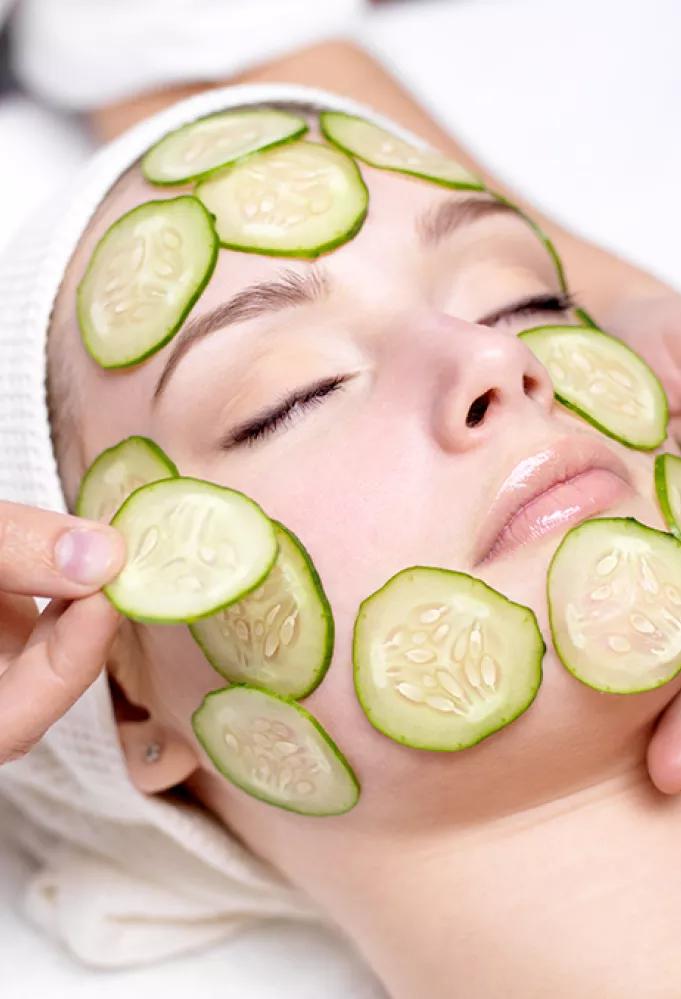
How to use:
Blend:
- ½ cucumber
- 2 tablespoons fresh aloe vera gel
Apply the mixture to your face and leave it on for 15 minutes. Rinse with cool water and enjoy how refreshed your skin feels.
Best for:
- Sun-exposed skin
- Sensitive skin
- Dry skin
Aftercare Tips After Removing Dead Skin from Your Face Naturally
Removing dead skin is only the first step. The real glow comes from how you take care of your skin afterward. I learned this the hard way because earlier I used to exfoliate my face and immediately move on with my day without giving my skin any extra care.
After exfoliation, your skin is usually more sensitive because the layer of dead skin cells has been removed. Following a simple aftercare routine can help protect your skin barrier, prevent dryness, and keep your face looking smooth and healthy.
1. Always Apply Moisturizer After Exfoliating
After removing dead skin from your face naturally, your skin needs hydration. Skipping moisturizer can make your skin feel tight, dry, or even flaky.
Choose a moisturizer according to your skin type:
- Dry skin: Use a thicker cream-based moisturizer with ingredients like ceramides or hyaluronic acid.
- Oily skin: Choose a lightweight gel moisturizer.
- Sensitive skin: Use a fragrance-free moisturizer to avoid irritation.
A good moisturizer helps lock in hydration and keeps your skin barrier healthy.
2. Never Skip Sunscreen
This is probably the most important step after exfoliation.
Freshly exfoliated skin can become more sensitive to sunlight, which increases the chance of tanning, uneven skin tone, and sun damage.
Always apply:
- Broad-spectrum sunscreen
- SPF 50 or higher
- Sunscreen before going outside
Even if you’re staying indoors, applying sunscreen during the daytime can help protect your skin from UV exposure.
3. Avoid Harsh Skincare Products for a Day
After using natural face exfoliation methods, avoid products that can irritate your skin.
Try not to use:
- Retinol
- Strong acids (AHA/BHA)
- Harsh scrubs
- Alcohol-based toners
- Strong acne treatments
Give your skin some time to recover and focus on gentle products.
4. Don’t Touch or Rub Your Face Too Much
After exfoliating, your skin may feel extra smooth, which can make you want to keep touching it. But our hands carry dirt and bacteria that can lead to breakouts.
Try to:
- Avoid picking your skin
- Use a clean towel
- Change your pillowcase regularly
- Wash your hands before applying skincare
Small habits make a big difference.
5. Drink Enough Water and Stay Hydrated
Skincare isn’t only about what you apply on your face. Hydration also plays an important role in maintaining healthy-looking skin.
Make sure you:
- Drink enough water throughout the day
- Eat water-rich fruits like watermelon, cucumber, and oranges
- Include healthy fats in your diet
Hydrated skin usually looks more plump and naturally glowing.
6. Avoid Exfoliating Too Frequently
One mistake many beginners make is thinking that more exfoliation means faster results.
Actually, over-exfoliating can damage your skin barrier and cause:
- Redness
- Burning sensation
- Increased dryness
- More breakouts
For most people, exfoliating 1–2 times a week is enough.
7. Use Gentle Cleansers
After removing dead skin cells naturally, avoid face washes that make your skin feel tight or dry.
Look for gentle cleansers that:
- Remove dirt without stripping natural oils
- Maintain your skin’s moisture balance
- Are suitable for your skin type
A healthy skin barrier is the key to smooth and glowing skin.
8. Let Your Skin Rest
Sometimes the best skincare step is doing less.
After exfoliating, avoid applying too many products. Give your skin time to repair itself by following a simple routine:
Cleanser → Moisturizer → Sunscreen (morning)
Cleanser → Moisturizer (night)
Keeping things simple can help your skin stay balanced.
My Simple Aftercare Routine After Natural Exfoliation
If I exfoliate my face at night, I usually follow this:
- Wash my face gently with water or a mild cleanser
- Apply a hydrating moisturizer
- Avoid using active ingredients that night
- Sleep properly and let my skin recover
- Apply sunscreen the next morning
Frequently Asked Questions (FAQs)
1. How can I remove dead skin from my face naturally at home?
You can remove dead skin from your face naturally by using gentle exfoliating ingredients like oatmeal, honey, yogurt, papaya, rice flour, aloe vera, and banana. These ingredients help loosen dead skin cells while keeping your skin hydrated. Always remember to exfoliate gently and avoid scrubbing your face too harshly.
2. How often should I exfoliate my face to remove dead skin?
Most people should exfoliate their face 1–2 times a week. If you have sensitive skin, once a week is usually enough. Over-exfoliating can damage your skin barrier and cause dryness, redness, or irritation.
3. What is the best natural exfoliator for dead skin on the face?
Some of the best natural exfoliators for removing dead skin include:
- Oatmeal and honey for sensitive skin
- Yogurt and gram flour for gentle exfoliation
- Papaya for dull skin
- Rice flour and milk for rough texture
The best exfoliator depends on your skin type and concerns.
4. Can I remove dead skin from my face daily?
No, removing dead skin every day is not recommended. Your skin naturally sheds dead cells, and exfoliating too often can cause irritation, dryness, and sensitivity. Give your skin enough time to recover between exfoliation sessions.
5. Does removing dead skin make your face glow?
Yes, gentle exfoliation can help improve your skin’s appearance by removing the layer of dead skin cells that can make your face look dull. After exfoliation, your skin may appear smoother, softer, and more radiant.
6. Which home remedy is best for dry skin and dead skin removal?
For dry skin, gentle and hydrating remedies work best. Some good options are:
- Banana and honey face mask
- Oatmeal and honey scrub
- Aloe vera gel
- Yogurt-based face masks
These help exfoliate while adding moisture to dry skin.
7. Can natural face scrubs remove dark spots and tanning?
Natural exfoliation may help improve uneven-looking skin and dullness by removing dead skin cells from the surface. However, it cannot completely remove deep pigmentation or stubborn dark spots. Consistent sunscreen use is important to prevent further tanning and uneven skin tone.
8. Is it safe to use sugar scrub on the face?
Sugar can be too harsh for some people because the particles may create tiny scratches when rubbed aggressively. If you use sugar as a face scrub, choose very fine sugar and massage very gently. People with sensitive or acne-prone skin may prefer gentler options like oatmeal or yogurt.
9. What should I apply after removing dead skin from my face?
After exfoliating, follow a simple skincare routine:
- Apply a gentle moisturizer to hydrate your skin.
- Use sunscreen during the day.
- Avoid strong active ingredients like retinol or acids immediately after exfoliation.
- Keep your skincare routine simple.
10. How long does it take to see results after natural exfoliation?
You may notice softer and smoother skin after the first use, but visible improvements in skin texture usually take a few weeks of consistent and gentle exfoliation. Healthy skin comes from regular care rather than quick fixes.
11. Can I remove dead skin naturally if I have sensitive skin?
Yes, but you need to be extra careful. Choose gentle ingredients like:
- Oatmeal
- Honey
- Aloe vera
- Yogurt
Always do a patch test before applying any new homemade remedy to your face.
12. What are the signs that I am over-exfoliating my skin?
You may be exfoliating too much if you notice:
- Redness
- Burning sensation
- Increased dryness
- Peeling skin
- Skin feeling tight or uncomfortable
- More breakouts than usual
If this happens, stop exfoliating and focus on repairing your skin barrier with gentle moisturizing products.