11 Best Yoga Poses for PCOS to Balance Hormones Naturally
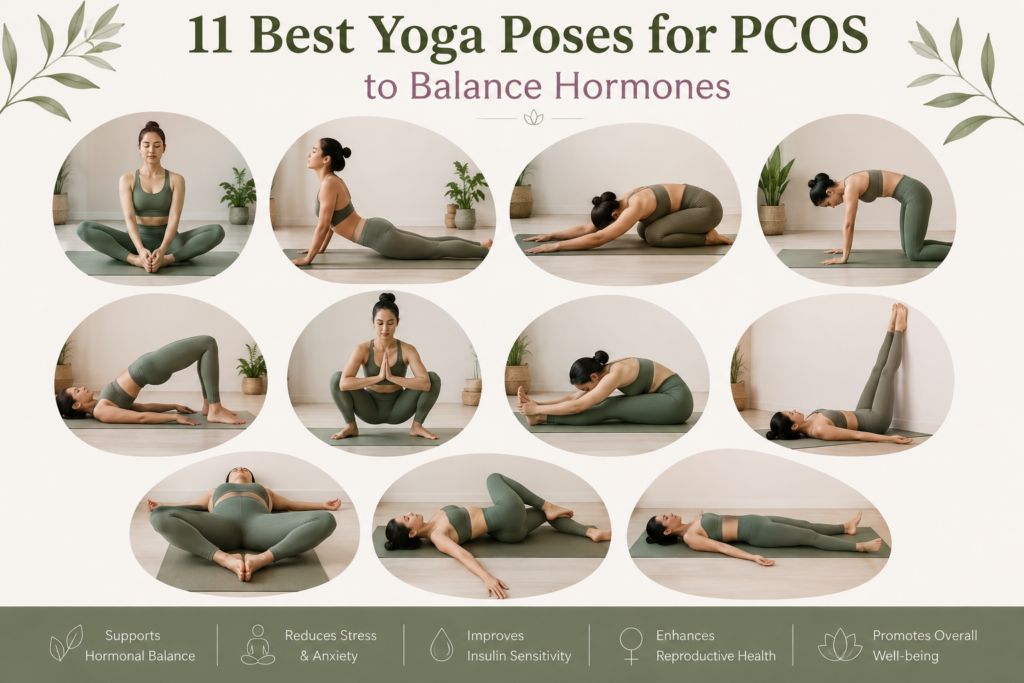
When I first learned about PCOS, it felt very personal because I was dealing with the same things too—irregular periods, acne, weight gain, and hormonal imbalance. As a student, I wanted something simple and natural to help me feel better without adding more stress.
Yoga isn’t a cure for PCOS, but I’ve found that regular practice can help with stress, flexibility, and overall balance. In this article, I’m sharing the 11 best yoga poses for PCOS that are easy to try at home suggested by my own OG Guru ji.
1. Butterfly Pose (Baddha Konasana) – One of the Best Yoga Poses for PCOS
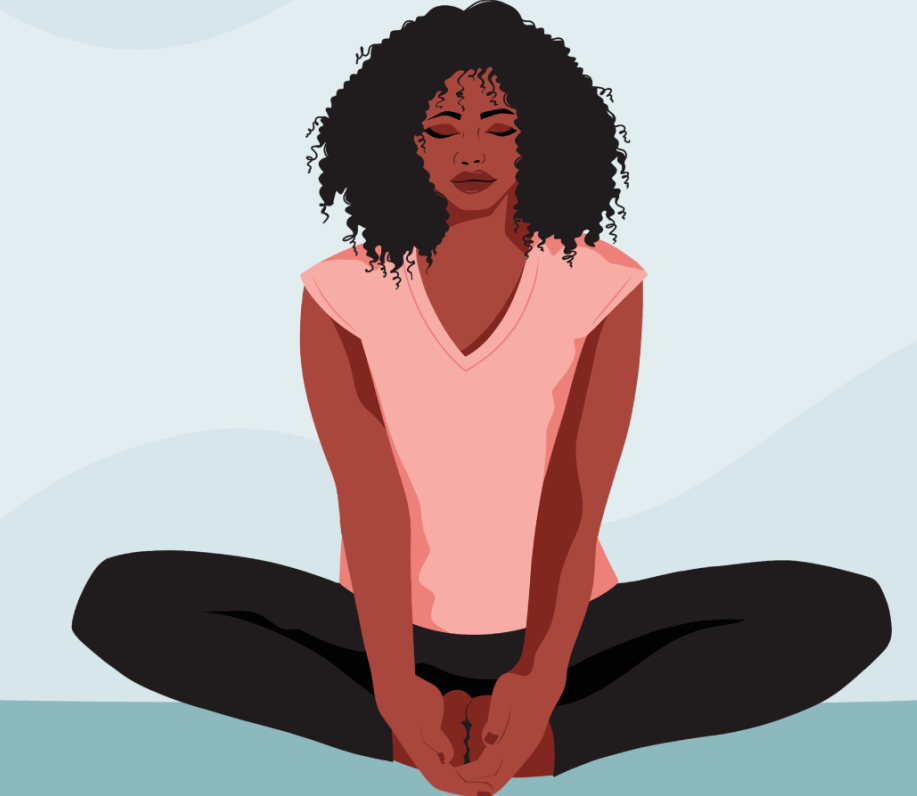
If you’re looking for an easy yoga pose for PCOS beginners, start with Butterfly Pose. It gently stretches your inner thighs and hips while increasing blood flow to the pelvic area. After sitting for hours studying or working, this pose feels incredibly relaxing.
How to do it:
- Sit with your legs stretched out.
- Bring the soles of your feet together.
- Hold your feet and gently flap your knees up and down.
- Stay for 1–2 minutes while taking slow breaths.
Why it may help with PCOS
- Supports pelvic circulation
- Helps relax tight hips
- Reduces stress
- A great addition to your daily yoga for PCOS routine
2. Cobra Pose (Bhujangasana) – A Gentle Yoga Asana for Hormonal Balance
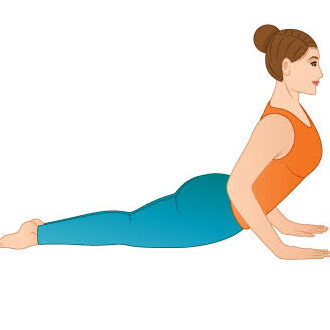
Cobra Pose is one of my favorite stretches because it opens the chest and gently strengthens the back. It’s often included in a PCOS yoga routine because it helps improve posture and promotes relaxation.
How to do it:
- Lie on your stomach.
- Place your palms beside your shoulders.
- Lift your chest while keeping your elbows slightly bent.
- Hold for 20–30 seconds.
Benefits
- May help reduce stress hormones
- Strengthens the back
- Improves flexibility
- Supports yoga for hormonal imbalance
3. Child’s Pose (Balasana) – A Relaxing Yoga Pose for PCOS Stress Relief
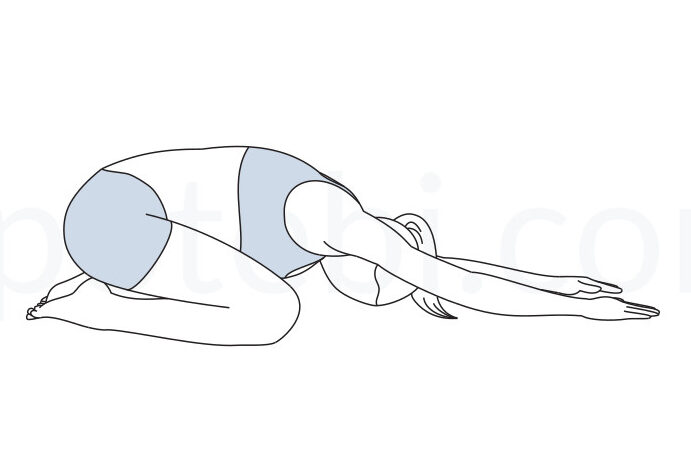
PCOS and stress often go hand in hand. Whenever I feel overwhelmed, Child’s Pose is the first stretch I do because it instantly helps me slow down.
How to do it:
- Kneel on the floor.
- Sit back on your heels.
- Stretch your arms forward and rest your forehead on the mat.
- Breathe deeply for 1–3 minutes.
Benefits
- Relaxes the mind
- Reduces stress
- May help lower cortisol levels
- Perfect for a morning yoga for PCOS or bedtime routine
4. Cat-Cow Pose (Marjaryasana-Bitilasana) – A Simple Yoga Pose for PCOS Beginners
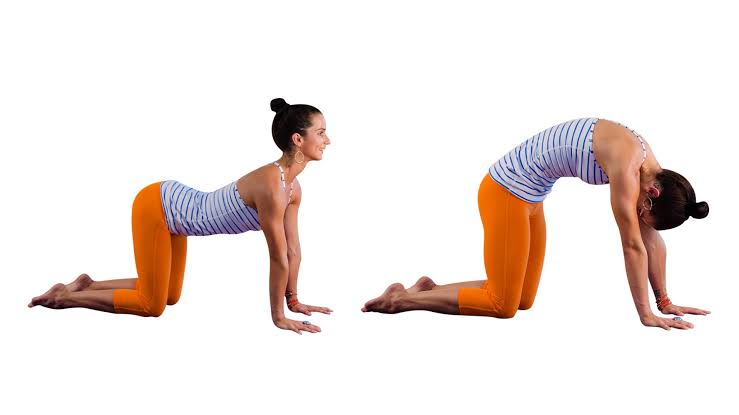
If your body feels stiff, Cat-Cow is a great warm-up. It improves spinal mobility while encouraging deep breathing.
How to do it:
- Start on all fours.
- Inhale and arch your back (Cow Pose).
- Exhale and round your spine (Cat Pose).
- Repeat for 1–2 minutes.
Benefits
- Improves flexibility
- Encourages relaxation
- Supports blood circulation
- A simple addition to any yoga routine for PCOS
5. Bridge Pose (Setu Bandhasana) – Best Yoga for Hormonal Balance
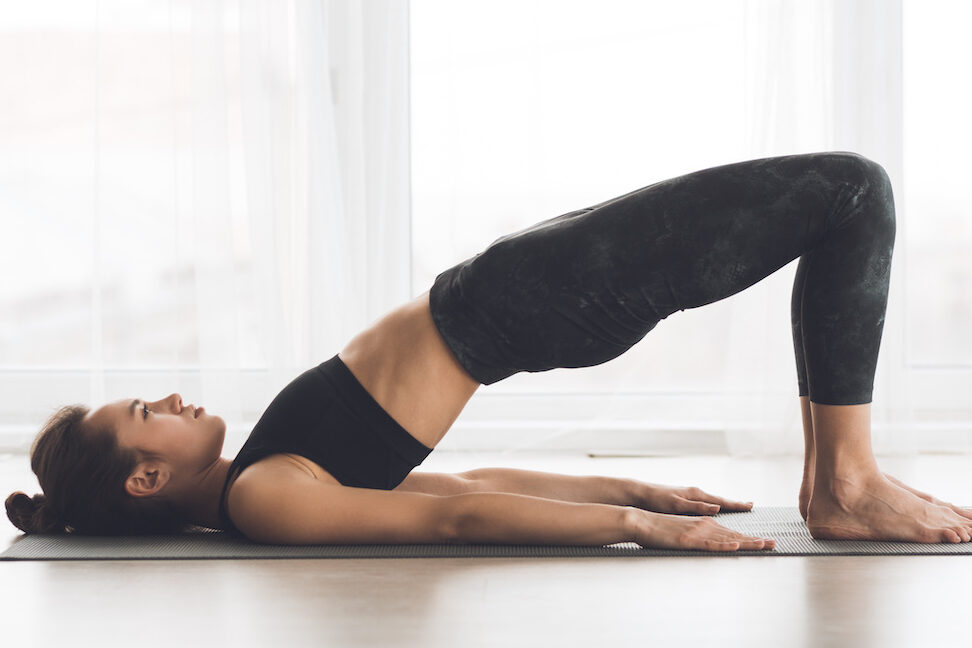
Bridge Pose gently activates your core, glutes, and pelvic muscles while opening your chest.
How to do it:
- Lie on your back.
- Bend your knees and keep your feet hip-width apart.
- Lift your hips toward the ceiling.
- Hold for 20–30 seconds.
Benefits
- Strengthens pelvic muscles
- Improves circulation
- May support hormonal health
- One of the best yoga poses for PCOS
6. Garland Pose (Malasana) – Yoga for Better Pelvic Health
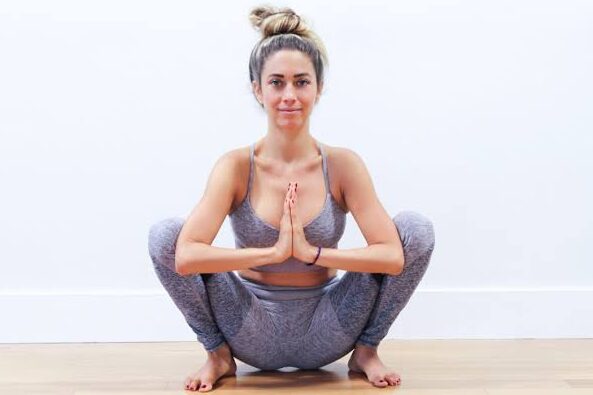
This deep squat stretches your hips and pelvic floor. Don’t worry if your heels don’t touch the floor at first—use a folded towel underneath them if needed.
How to do it:
- Stand with your feet slightly wider than your hips.
- Lower into a squat.
- Bring your palms together in front of your chest.
- Hold for 30–60 seconds.
Benefits
- Opens the hips
- Improves pelvic flexibility
- Supports digestion
- Helpful in a daily yoga for PCOS practice
7. Seated Forward Bend (Paschimottanasana) – Yoga for Hormonal Imbalance
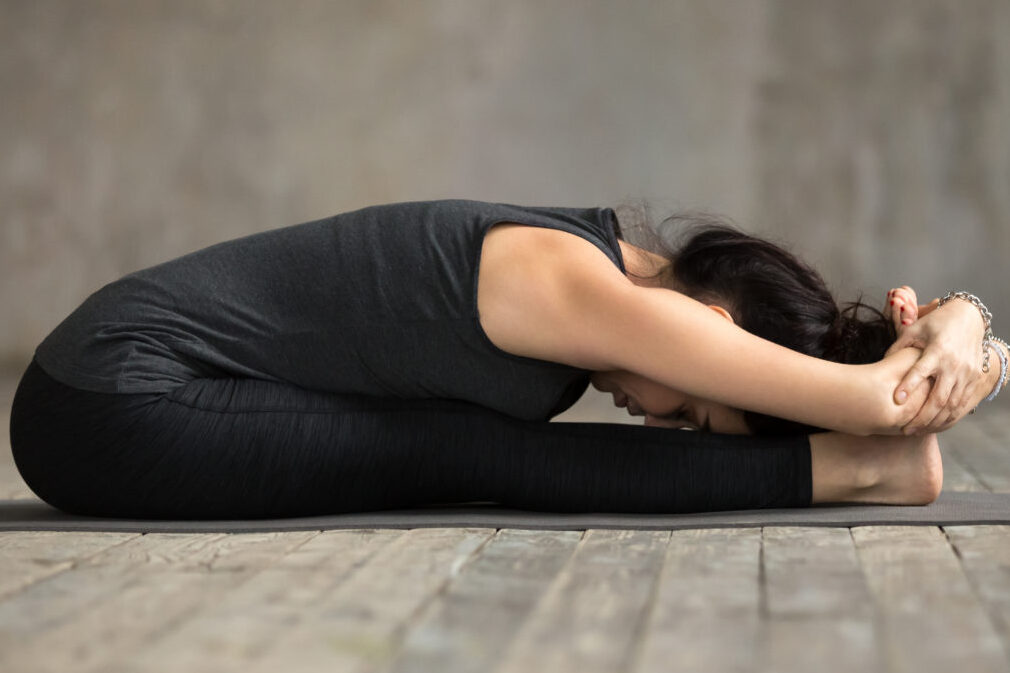
This calming pose stretches the entire back of your body and encourages mindfulness.
How to do it:
- Sit with your legs straight.
- Reach toward your feet.
- Keep your back as long as possible.
- Hold for 30–60 seconds.
Benefits
- Relieves stress
- Improves flexibility
- Supports relaxation
- Great for yoga for irregular periods
8. Legs-Up-the-Wall Pose (Viparita Karani) – The Most Relaxing Yoga Pose for PCOS
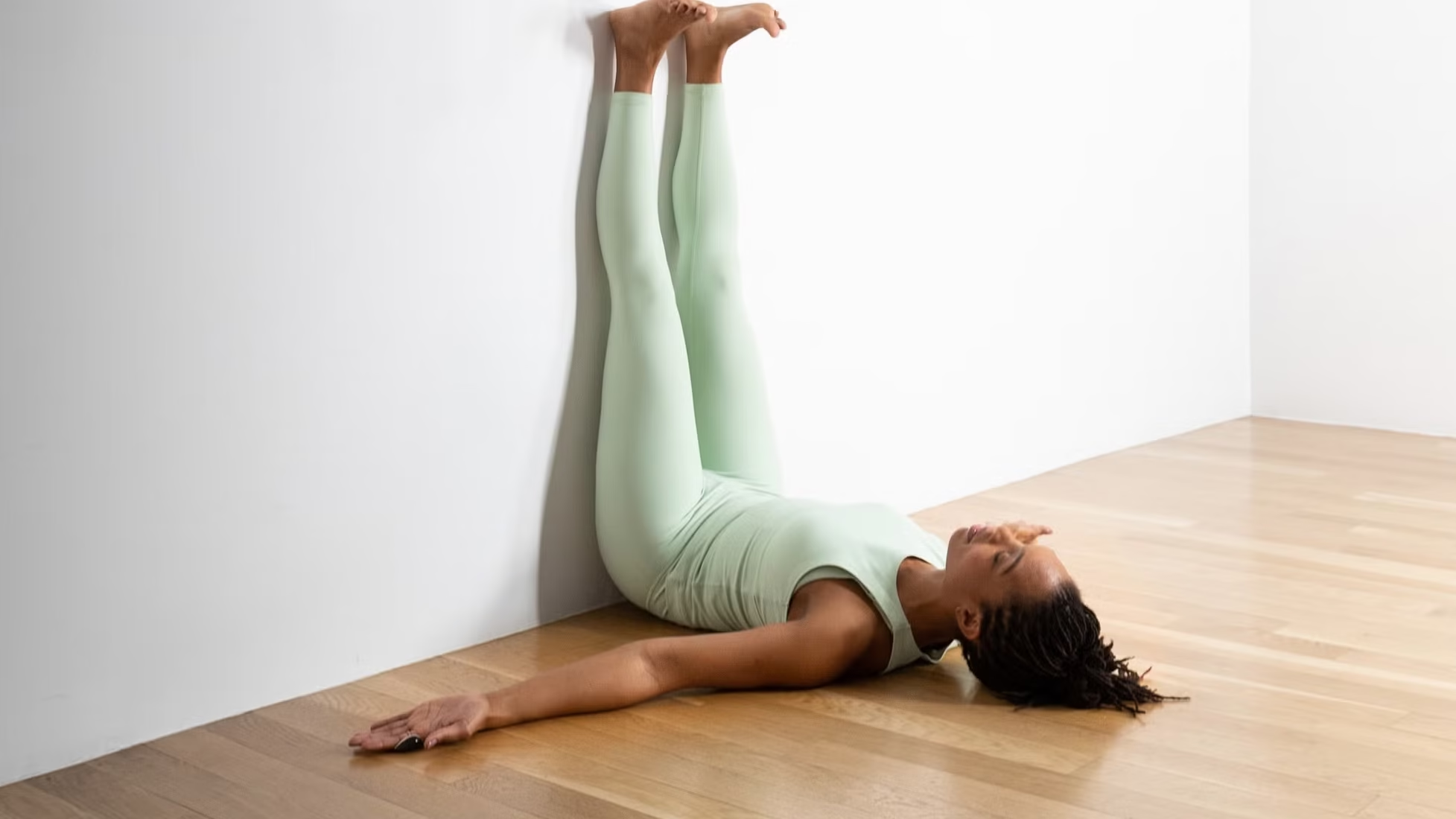
This pose is perfect after a long day. It’s incredibly easy and requires almost no effort.
How to do it:
- Lie near a wall.
- Extend your legs up against the wall.
- Relax your arms.
- Stay for 5–10 minutes.
Benefits
- Reduces stress
- Relaxes tired legs
- Promotes calmness
- A favorite pose in many PCOS yoga routines
9. Reclining Bound Angle Pose (Supta Baddha Konasana) – Gentle Yoga for PCOS
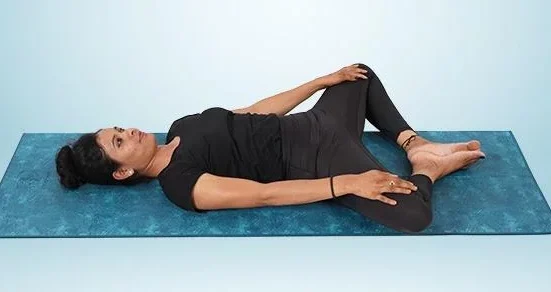
This restorative pose encourages complete relaxation and gentle hip opening.
How to do it:
- Lie on your back.
- Bring the soles of your feet together.
- Let your knees fall outward.
- Stay for 2–5 minutes.
Benefits
- Opens the hips
- Promotes relaxation
- Supports pelvic circulation
- Helpful for yoga for PCOS beginners
10. Supine Spinal Twist (Supta Matsyendrasana) – Yoga for Relaxation and Flexibility
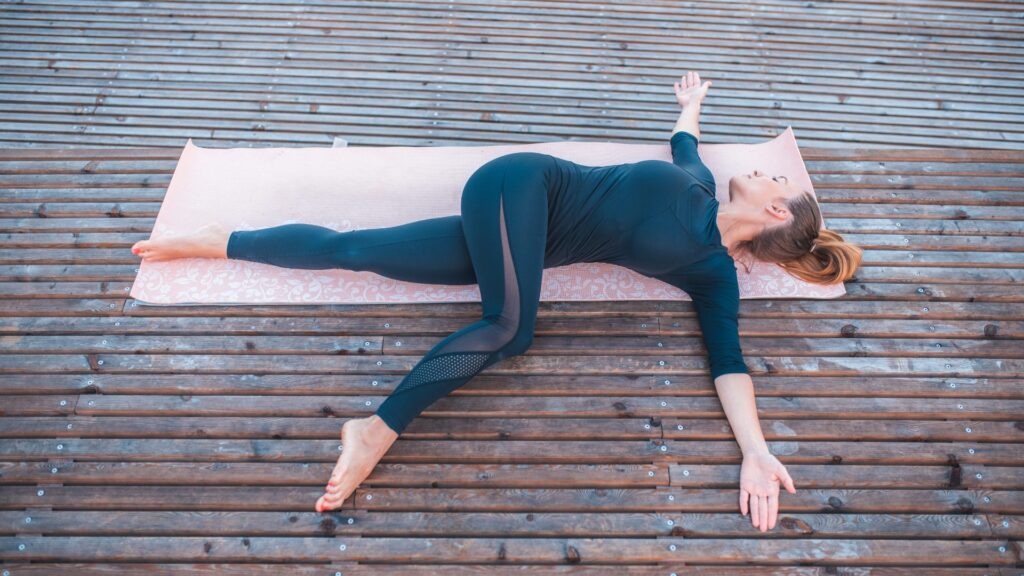
Whenever my lower back feels tight, I love ending my practice with this stretch. It feels like giving your spine a gentle reset.
How to do it:
- Lie on your back.
- Bring one knee across your body.
- Turn your head in the opposite direction.
- Repeat on the other side.
Benefits
- Relieves lower back tension
- Improves flexibility
- Encourages relaxation
- Complements a daily yoga for PCOS routine
11. Corpse Pose (Savasana) – The Most Important Yoga Pose for PCOS
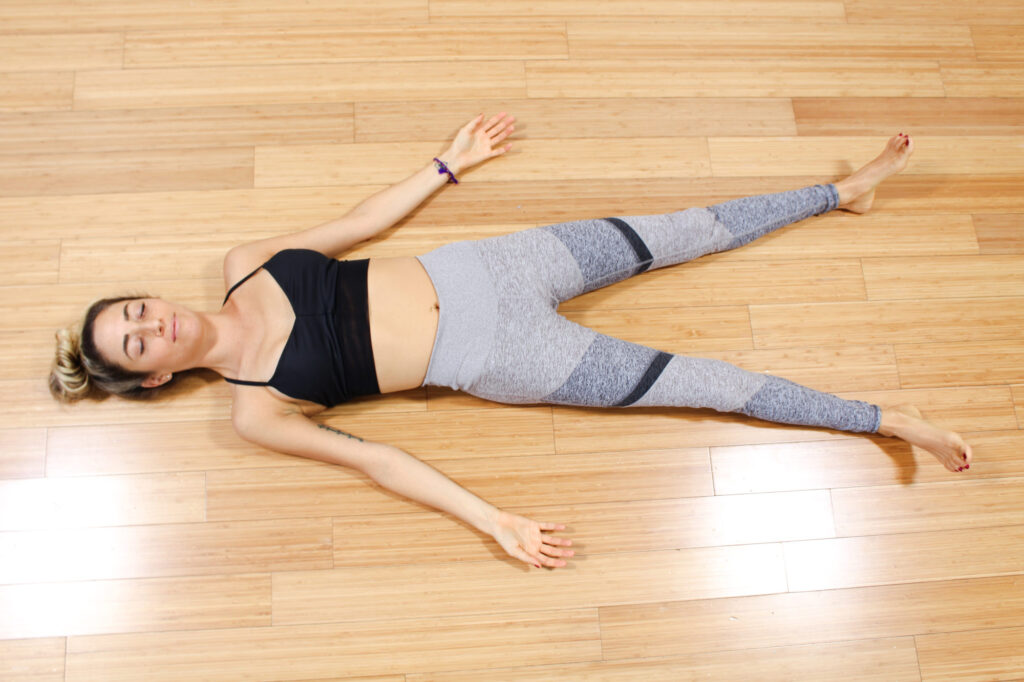
Many people skip Savasana because it looks “too easy,” but it’s honestly one of the most important parts of any yoga session. It gives your body and mind time to absorb all the benefits of your practice.
How to do it:
- Lie flat on your back.
- Keep your arms relaxed by your sides.
- Close your eyes.
- Focus on slow, deep breathing for 5–10 minutes.
Benefits
- Helps calm the nervous system
- Reduces stress
- Supports overall well-being
- A perfect way to finish your best yoga for PCOS practice
How to Know If You Have PCOS: Early Signs and Diagnosis
1. Irregular or Missed Periods
One of the earliest PCOS warning signs is having irregular menstrual cycles.
You may notice:
- Periods that come every few months
- Very light or very heavy bleeding
- Missing periods altogether
This happens because ovulation doesn’t occur regularly.
2. Excess Facial or Body Hair
If you’ve noticed thicker hair growing on your chin, upper lip, chest, stomach, or back, it may be related to higher androgen (male hormone) levels.
This condition is called hirsutism, and it’s a common symptom of PCOS.
3. Persistent Acne
Hormonal acne caused by PCOS often appears on the jawline, chin, and lower cheeks.
Unlike occasional pimples, these breakouts can be painful, deep, and difficult to treat with regular skincare products.
4. Unexplained Weight Gain
Many women with PCOS find it harder to lose weight, especially around the abdomen.
This is often linked to insulin resistance, which is common in PCOS.
5. Hair Thinning or Hair Loss
While extra hair may grow on the face or body, the hair on your scalp may become thinner.
Some women notice widening of the hair part or increased hair shedding.
6. Dark Patches of Skin
Dark, velvety patches around the neck, underarms, or groin can be a sign of insulin resistance.
This skin condition is called acanthosis nigricans and is commonly seen in people with PCOS.
7. Difficulty Getting Pregnant
Because ovulation may not happen regularly, PCOS can make it more difficult to conceive.
If you’ve been trying to become pregnant without success, it’s worth discussing your symptoms with a doctor.
8. Mood Changes and Fatigue
Living with hormonal imbalance can affect more than just your physical health.
Many women with PCOS experience:
- Mood swings
- Anxiety
- Low energy
- Difficulty sleeping
These symptoms can also affect daily life and overall well-being.
FAQs:
1. When Should You See a Doctor for PCOS?
It’s a good idea to make an appointment if you notice one or more of these symptoms:
- Your periods have become very irregular or have stopped.
- You have acne that doesn’t improve with treatment.
- You’re developing more facial or body hair than usual.
- You’re losing hair from your scalp.
- You’ve been trying to conceive for several months without success.
- You’re gaining weight without an obvious reason.
- You have dark patches of skin on your neck or underarms.
Getting diagnosed early can help you manage symptoms and reduce the risk of long-term complications such as type 2 diabetes, high cholesterol, and fertility problems.
2. How do I naturally heal my PCOS?
One thing I learned during my PCOS journey is that what I avoid is just as important as what I eat. I noticed my PCOS symptoms got worse whenever I relied on sugary snacks, soft drinks, fried foods, or highly processed meals. I also tried to avoid skipping meals, staying up late, and sitting for long hours because these habits affected my energy and hormones.
Instead, I focused on a PCOS-friendly diet, regular exercise, and a simple PCOS yoga routine. If you’re unsure about what foods to include or avoid, I’ve shared everything that helped me in my detailed guide on the best diet for PCOS– https://pinkysbloom.com/best-diet-for-pcos-foods-to-eat-and-avoid/ , including beginner-friendly meal ideas and foods that support hormone balance. Along with yoga, following a healthy eating plan made it much easier for me to manage PCOS naturally.
3. What Is the 21-Day PCOS Detox?
When I first heard about the 21-day PCOS detox, I thought it was some magic cure. But I soon realized it’s not a detox in the traditional sense. For me, it meant spending 21 days building healthy habits that helped me manage PCOS naturally.
I focused on eating a PCOS-friendly diet, cutting back on sugary and processed foods, staying active with a short PCOS yoga routine, drinking enough water, sleeping well, and managing stress. By the end of the three weeks, I felt more energetic, had fewer cravings, and noticed small improvements in my PCOS symptoms.
The biggest lesson I learned was that the 21-day PCOS detox isn’t about starving yourself or following a fad diet—it’s about creating healthy habits you can stick with for the long term.